Harald Fairhair is called both the national unifier of Norway and the founder of its royal dynasty. He was the first king to rule over the vital ship route Nordvegen, and during his reign, he also became the king of the land. He ruled from approximately 872 to 932 AD.
According to sagas and skaldic poems, Avaldsnes was Harald Fairhair's most significant royal estate among his five main residences. It was here that he lived, died, and somewhere by Karmsundet he was buried.
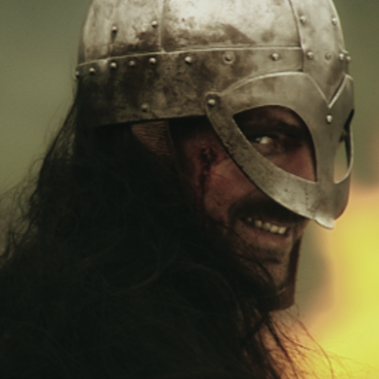
To claim the Norwwegian throne, rulers had to prove their lineage traced back to Harald Fairhair. Establishing royal authority at Avaldsnes was also crucial. This was not only due to its strategic location by the Karmsund strait but also because of its traditional role as a sacred site where kings could affirm that they were related to the gods.
One of the most famous stories about Harald Fairhair involves Gyda, the daughter of King Eirik in Hordaland. When the young King Harald sent his men to propose to her, she reportedly boldly replied that she would not marry a petty king, but would only marry a king that had united all of Norway. Inspired by her challenge, legend has it that Harald vowed not to cut his hair until he had accomplished this task. This legendary pledge is believed to be the origin of his nickname Harald Fairhair. Following his victory in the "Battle of Hafrsfjord", -widely regarded as the decisive battle in Norway's unification- he remembered Gyda's words and fulfilled her condition. They married and had several children, though Gyda was far from the only woman in Harald's life. He married several women fathered many children, with some sources, including Snorri Sturluson, claiming he had over twenty children with seven wives. This was likely a strategic move to consolidate power, as he arranged marriages for his offspring to forge alliances with influential families across the country. Harald Fairhair lived to an old age and ultimately died of natural causes, leaving behind a legacy that shaped the future of Norway.
Read more about other kings at Avaldsnes here.